Case study · Dermatology

Building new-patient revenue for a leading dermatology practice.

$3.29M+ New-patient revenue (3 yrs) 32% Conversion (from 2.7%) 2.6× Peak vs baseline −85% Ad spend (year 3)

Results reflect this specific engagement. Individual outcomes vary by market, offer, and starting point.

Three years, three compounding phases

Our story

Watch case study

$3.29M

New-patient revenue generated for our partner clinic, 2023–2025

We partnered with a dermatology practice. A three-year engagement that lifted lead-to-treatment conversion from 2.7% to 32%, while letting the clinic cut ad spend 85% in year three without losing revenue.

Get in touch

The story so far. Three years. Three compounding phases. The numbers held above $1M every year after the rebuild.

2022 baseline

Reputation strong. Front desk maxed. Conversion rate stuck at 2.7%.

Q3 2023

New website live. Automation layer wired behind every form.

Nov 2023

Inflection moment. Conversion rate jumps 2.7% → 12.5% in a single month.

Jul 2024

The Hub CRM goes live. Patchwork tools retired in one cutover.

Q4 2024

AI Lead Generation + Google Ads scale on the new infrastructure. Conversion climbs to 17%.

Q1 2025

Lead volume threatens care quality. Ad spend deliberately cut 85%.

Q4 2025

Conversion rate doubles again to 32%. Revenue holds above $1M.

Ongoing

Efficiency-first growth model carries the funnel forward.

01 / 03 Year 1 · What we built

Rebuild the foundation

We rebuilt the website and put an automation layer behind every form submission so no lead sat waiting. November 2023 was the inflection point. Automation went live and conversion rate jumped 2.7% to 12.5% in a single month. That shift never reversed.

WEBSITEAUTOMATIONFORM → BOOKINGFOLLOW-UP SPEED

Read the rebuild approach →
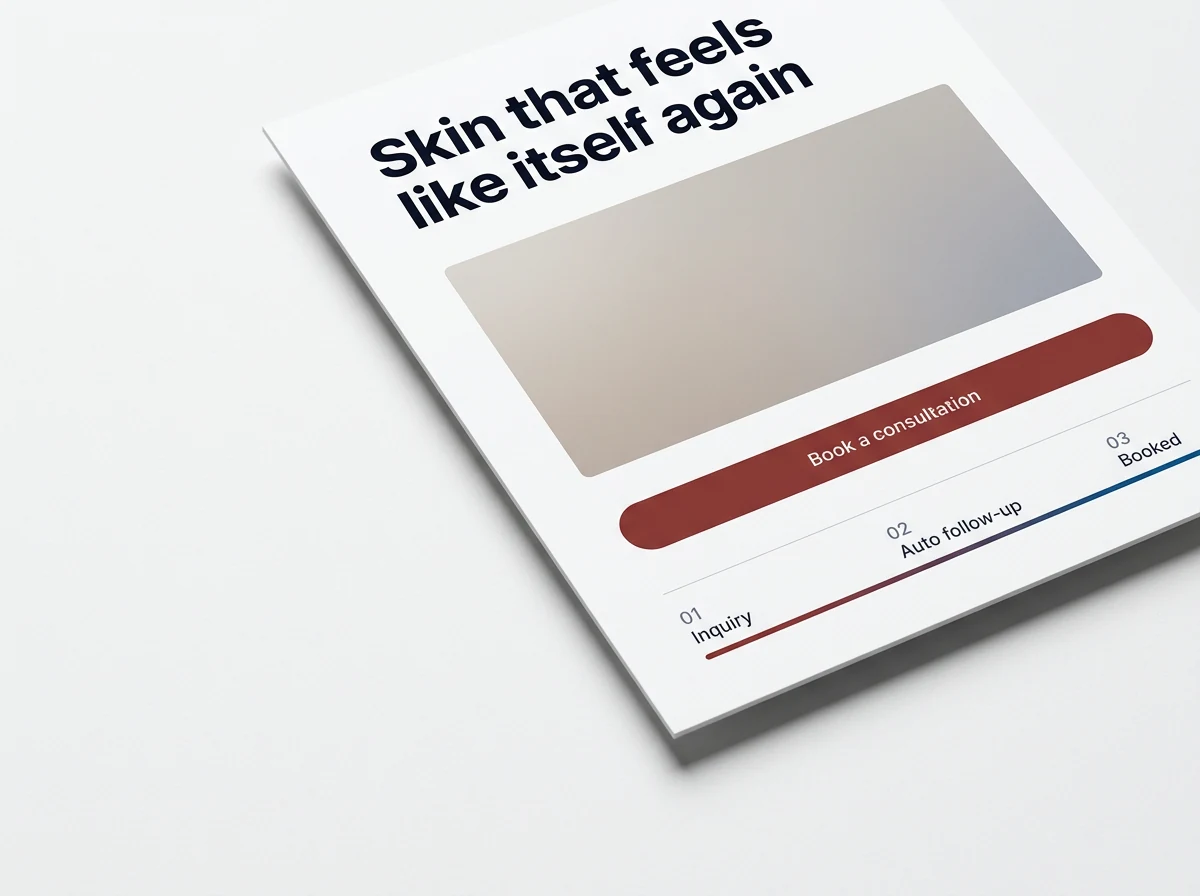
Editorial mock of a dermatology lead funnel, single landing page, automated handoff to the booking flow

Year 1 conversion lift

2.7% → 12.5%

Lead-to-treatment conversion lifted 4.6× in a single month after automation went live.
02 / 03 Year 2 · What we built

Launch the operating system

We launched The Hub, a custom CRM and booking platform that replaced the patchwork of tools the clinic had been stitching together. AI Lead Generation and Google Ads scaled on top of the new infrastructure. Conversion climbed from 12.5% to 17%.

THE HUB CRMBOOKINGAI LEAD GENGOOGLE ADS

Read the platform build →
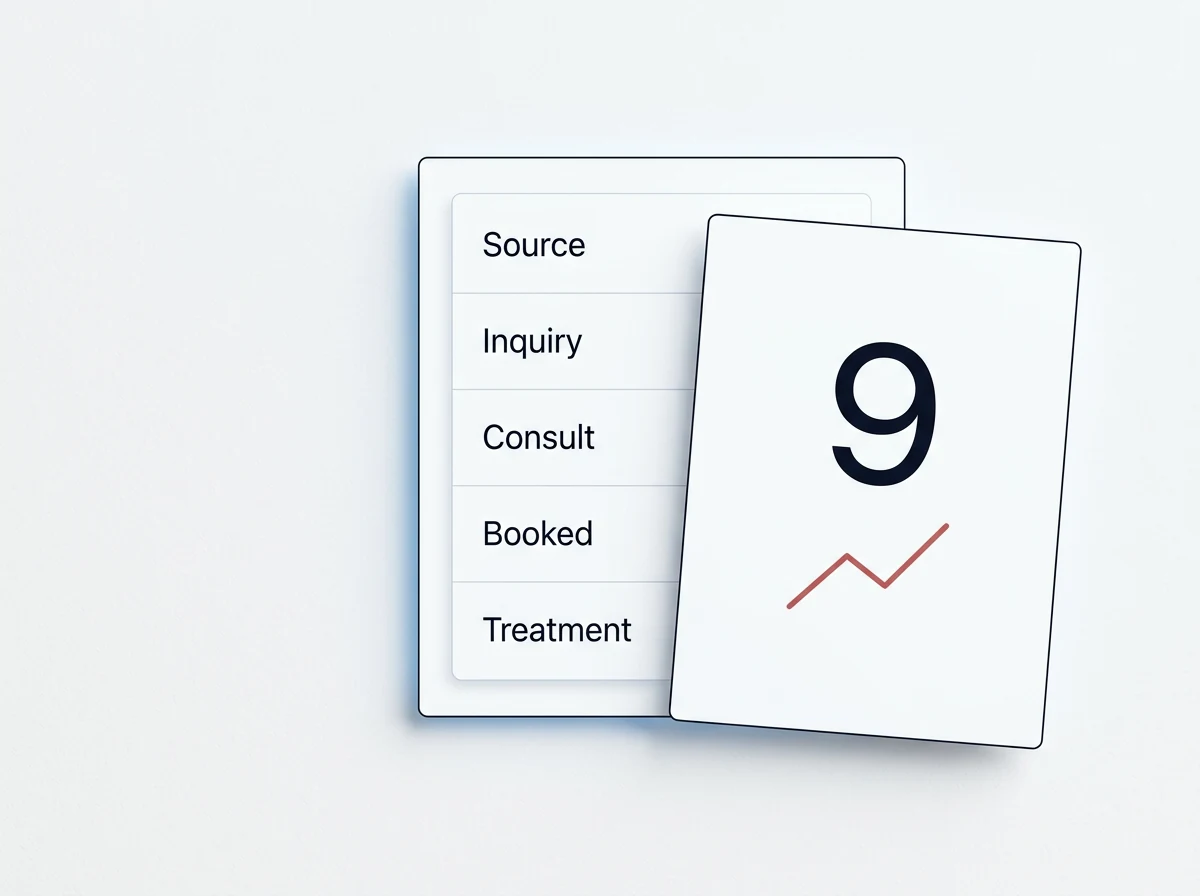
The Hub CRM composition, unified booking, attribution, and lead pipeline on a clean editorial canvas

Year 2 conversion arc

12.5% → 17%

The new infrastructure compounded on Year 1, same demand, higher conversion.

03 / 03 Year 3 · The compound effect

Let efficiency carry the revenue

When lead volume started to threaten care quality, we cut ad spend by 85% and let the automation carry the revenue. Conversion rate doubled again, from 17% to 32%, and revenue held above $1M for the year.

EFFICIENCY MODE−85% AD SPENDREVENUE STABILITYQUALITY OF CARE

Book the strategy call →
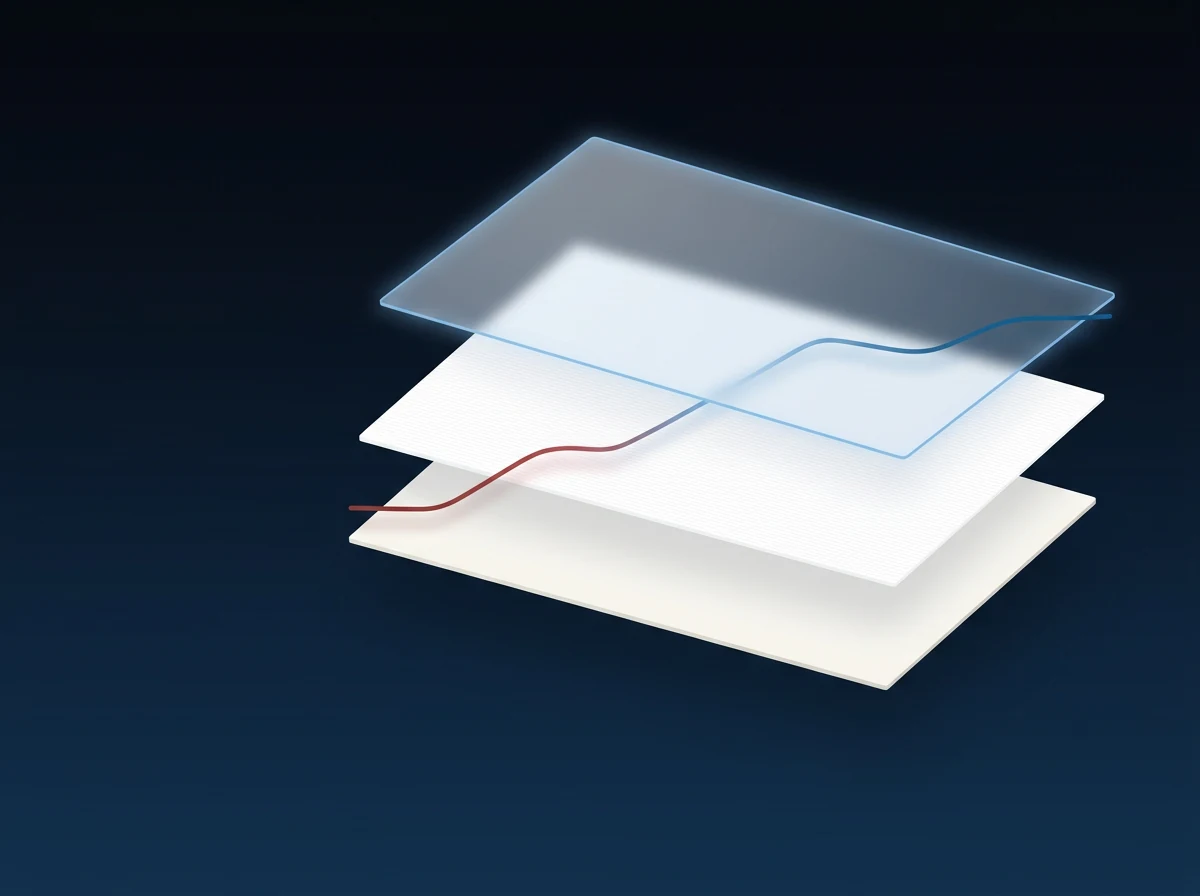
Three translucent compounding planes climbing year-over-year, single red-to-blue pulse line stitching them together

Three-year conversion arc

2.7% → 32%

Conversion compounded across three phases. Spend didn't have to.

This pattern works in most clinics. Want to see if it works in yours?

No deck · no pitch · just the next three moves

Frequently asked

What dermatology practices ask before they engage.

How long does a dermatology marketing engagement run before results compound?

This dermatology engagement ran three years (2023–2025). The first measurable conversion lift landed in a single month, November 2023, when automation went live and conversion jumped from 2.7% to 12.5%. Year two compounded with The Hub CRM + AI Lead Generation. Year three doubled conversion again to 32% while ad spend was deliberately cut 85%.

Most dermatology practices see meaningful lift inside 90–120 days once the automation layer is live, with full compounding visible by month 12–18.

What conversion rate should a dermatology website actually be hitting?

Most dermatology sites we audit sit between 2–5% lead-to-treatment conversion. This engagement climbed from 2.7% to 12.5% to 17% to 32% across three years, nearly 12× the baseline, by rebuilding the website, wiring automation behind every form, replacing the patchwork stack with a unified CRM, and letting the system carry the lead volume.

Conversion rate compounds. Spend doesn't. The right benchmark for a mature dermatology funnel is 15–25% lead-to-treatment, 30%+ when the front desk is freed from the lead-handling work entirely.

Why was follow-up speed the unlock for this dermatology clinic?

Patients filled out contact forms and then waited, sometimes days, before anyone followed up. The front desk was already maxed, so every new lead meant more pressure on the team rather than more revenue. The unlock wasn't more leads, it was responding to leads faster than the patient's patience. Automation took the follow-up off the front desk entirely.

When automation went live in November 2023, conversion rate jumped 2.7% → 12.5% in one month. That shift never reversed.

Can you cut ad spend without losing revenue?

Yes, once conversion efficiency is high enough that the bottleneck is care capacity, not lead volume. In year three this clinic cut ad spend by 85% and revenue held above $1M for the year. Conversion rate doubled again, from 17% to 32%, because the funnel was healthy enough that fewer, higher-intent leads outperformed a larger, lower-intent stream.

Efficiency outperforms spend at the right moment. The growth ceiling was never lead volume, it was the quality of conversion that lead volume hit.

What is The Hub and how is it different from a standard dermatology EMR?

The Hub is a unified CRM + booking platform built to replace the patchwork of separate tools most dermatology practices stitch together, one for forms, one for email, one for booking, one for follow-up, one for attribution. Dermatology EMRs were built for clinical documentation, not for funnel attribution or AI conversational booking. The Hub sits over the EMR and handles everything between the inquiry and the booked appointment.

It went live in this clinic in July 2024 and immediately took conversion from 12.5% to 17%, same demand, healthier infrastructure.

How is AI Lead Generation different from traditional search optimisation for dermatology?

Traditional search optimisation targets Google's blue-link results. AI Lead Generation, built on Generative Engine Optimization (GEO), engineers content and structured data so generative AI engines (ChatGPT, Gemini, Claude, Google AI Overviews, Bing) cite the practice when patients ask comparison or recommendation questions about dermatology services.

The audience is the language model, not a human scrolling a results page. The reward is being cited as the source. Technical SEO is the substrate that makes the ingestion possible. healthhue.com for the full platform overview.

Question we didn't answer? Book a 30-minute strategy call, we'll walk through your specific funnel on the line.